


Jul 26, 2019


Nov 10, 2018


Jul 28, 2018


Jul 15, 2018


At the end of October, I went away with some friends for a full weekend of food, boardgames and... well, more food. I had taken on Saturday's dinner. It was nearly Halloween, and one of our friends had volunteered to run a Harry Potter-themed role-playing game for the Saturday night entertainment. Harry Potter themed menus are all over the internet, and I decided to take advantage of the omnivorous nature of the group and go with roast beef and all the trimmings, followed by treacle tart.
The beef:
At the butchers' I spent more money than I should on a piece of 35 day aged Aberdeen Angus rib. The butcher sliced it to create a flap of bone and fat which made it easier to handle both before and after roasting. I salted it early on Friday morning and transported it in the oval Le Creuset I would use to roast it - the normal roasting tin having been requisitioned for vast quantities of roast potatoes.
By Saturday afternoon, the salt crystals had dissolved into the flesh and the meat was smelling heavenly. I slathered the rib with dripping and pressed a mixture of rosemary and sage against the sides and beneath the flap of fat. I balanced the beef on a mixture of carrots, red onions and bayleaves tossed in cornflour; which would roast in the beef juices and form the basis of the gravy.
I had never cooked such a large piece of beef and was worried about overdoing it. These guidelines say to cook the beef to 50 degrees in the centre for rare. This happened much more quickly than I had been expecting - possibly because the beef was boned and genuinely at room-temperature when it went into the oven. I suspect many recipes for cooking meat assume it has come almost immediately from a fridge. The thermometer read a little over 60 degrees when I removed the rib from the oven and wrapped it in teatowels to keep it warm. With about forty-five minutes to go before anything else would be ready, at least it would be very well-rested.

The Yorkshire pudding
Yorkshire pudding is explicitly mentioned several times throughout the Harry Potter series. I used this recipe as a starting point, with some alterations: instead of individual puddings I decided to make one giant Yorkshire in a loose-bottom cake tin; I swapped regular milk for soy to make it milk-free; I had plenty of beef dripping so used that instead of sunflower oil; and I added a tablespoon of paprika in the hope of creating a Halloween glow. In the event it was simply a rather more russet shade of gold than it might have been. I had only made Yorkshire pudding once before this, so was very relieved when it puffed up and stayed inflated out of the oven. The paprika hadn't done much for the colour, but it did lend a subtle tang which went well with the beef.

The vegetables
I made a carrot and red cabbage pickle a few days in advance using a mixture of sherry and cider vinegars, muscovado sugar, salt, lots of red chilli and nigella seeds. I had recently bought a replacement Magimix grating attachment which turned out to be less fine than its predecessor and worked really well for grating carrots without turning them to mush. (Inevitably the old attachment reappeared within a couple of days.)

As it was for Harry Potter and Halloween, I obviously had to do something with pumpkin. I roasted two "eating" pumpkins - not the same as carving pumpkins - and scooped out the flesh. I caramelised white onions with sage and chilli flakes, then pulverised the mix and added it to the flesh. I stirred in a couple of teaspoons of honey to boost the floral sweetness of the pumpkin. It was still fairly bland, so I added quite a lot of salt and lemon juice to try to enhance the flavour; and then a small amount of cider vinegar when the lemon juice proved insufficient. The end result was perfectly tasty, but something like butternut squash would have done the same job with a better flavour and texture overall. I made this the day before before so it simply needed reheating on Saturday night.
I have no great secret for roast potatoes: parboil in salted water; fluff, roast with lots of rosemary, sage and garlic in plenty of dripping until golden and crispy. The only thing worth noting is cutting the potatoes small increases the surface area to volume ratio, giving more salty, roasted crunch. Simple and effective.
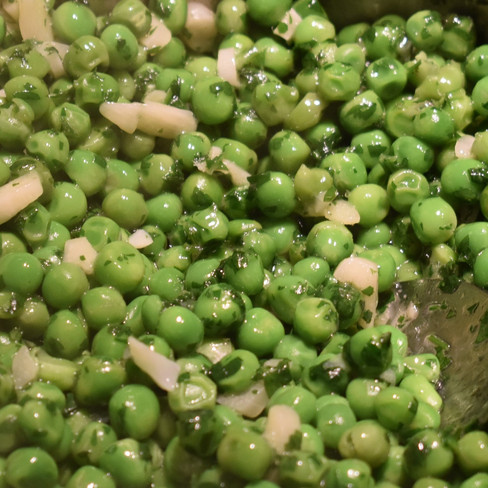
Purely to have something green on the plate, I fried peas in butter with garlic, lots of finely chopped parsley and a squeeze of lemon juice.
The gravy
After I had removed the beef from the Le Creuset, I pureed the vegetable mix and added a beef stock cube and the water I had used to parboil the potatoes. I then added several large tablespoons of sloe gin jam. The jam added the tart sweetness of redcurrant jelly, and made the sauce "proper gravy colour". I heated the sauce on the hob, but the cornflour I had added with the vegetables proved insufficient. I added more cornflour - mixed with water so it wouldn't go lumpy - and stirred until the gravy thickened to a glossy mahogany.

Treacle tart
Most recipes for treacle tart use butter or cream in the filling, but it isn't necessary. I adapted several recipes, using Felicity Cloake's article as a broad guide and came up with this:
300g white breadcrumbs
A 907g tin of golden syrup, less the amount that stuck to the inside.
3 eggs
2 lemons
Maldon seasalt
I blind baked the pastry in a large, shallow baking tray. Whilst that was in the oven, I whisked up the eggs, zested and juiced the lemons and stirred both into the golden syrup until thoroughly combined. I added a decent pinch of salt and poured the mixture over the breadcrumbs.
Once the case was blind baked, I painted it with an eggwash to help prevent the very wet filling soaking into pastry. I spread the breadcrumb mix inside and used a basic flour and water paste to pipe the word "Riddikulus" over the top - I had been told this would be a crucial part of the game we would be playing.
I baked it at 180 but forgot to time it - I think it was for about 25 minutes. The edges were beginning to darken but I just about caught it in time.
I actually made this the day before and reheated it under tinfoil on the night, which worked perfectly well. I served it with creme fraiche as all that syrup needs some acidity to cut through. The lemon zest added a slightly more grown-up, less school-dinner-stodge, dimension; and next time I would consider using even more.




Comments