


Jul 26, 2019


Nov 10, 2018


Jul 28, 2018


Jul 15, 2018


Once you have made sloe gin, you need to decide what to do with all your lovely ginfused sloe berries. Some people throw them out, but anything bearing the adjective "ginfused" needs to be at least considered as a potential ingredient.

There seem to be three general themes for reusing the berries: Other drinks (brandy, cider, cordial etc.); chocolates; and jams and jellies.
Having waited nine months for the gin I wasn't in the mood to wait another month or three for a different alcoholic drink, and who is going to want sloe cordial when sloe gin is available? Not me, and they're my sloes. Chocolates also seemed like far too much of a faff, involving destoning each berry individually. Nor did this seem like it would work with my unsugared sloes: having added the sugar syrup just before the final bottling the actual sloe berries were unpleasantly tart.
Jam it was to be, something to spread on crumpets with strong English breakfast tea and a copy of the Spectator. I have made jam and marmalade quite a lot so have got the basics down, but sloes have tough skins and all those stones needed to come out somehow. I researched several recipes and decided to work off one from Farm In My Pocket.
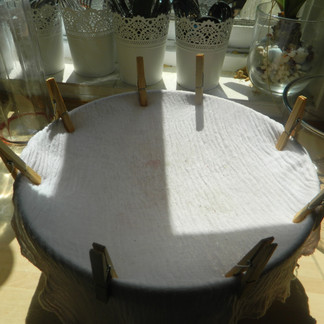
I poured the sloes into a saucepan and covered them with water. I brought it to the boil until the berries were soft, then mashed them vigorously with a potato masher. The original recipe called for the addition of apples, but a) I didn't have any and b) I wanted sloe jam, not sloe and apple jam. So I skipped that step and strained the all-sloe pulp through a muslin, refraining from poking or pressing the pulp so that the liquid wouldn't go cloudy.
After four hours I had this:

Maybe I should have added apples.
I gathered up the muslin and gave it a good squeeze. A little more sloe juice trickled out and clouded what was in the bowl. Oh well. I piled the pulp back into the saucepan, filled the pan with water and simmered it for about half an hour. Then back into the muslin, strain and squeeze - once it's gone cloudy there's no point hanging about - and repeat, until I had around a litre of sloe juice.
At this point I went back the Farm In My Pocket recipe and added 400g of caster sugar per 500ml of liquid: so in my case, 800g into the saucepan. As I hadn't added any apples I added a large quartered lemon in a muslin bag to give the pectin a boost and help the jam to set.

I brought the liquid to the boil and waited until the thermometer read 105 degrees, which is the temperature at which jam sets.

I dribbled a little juice onto a frozen ramekin to test the set.

It did not set. Juice doesn't.
I poured more sugar into the boiling mixture, and waited until the temperature hit 115 degrees, also known as the "soft ball" stage you aim for when making fudge. This took around half an hour, until finally enough water had evaporated for the mixture to develop surface tension, hold its shape and wrinkle when pushed. In short, the sloe juice had become sloe jam.

I poured the jam into a large sterilised jar and left it to cool.
When I test it a few days later the jam is smooth and thick, almost caramel in texture. It seems almost black on the spoon but stains cherry red. It has a good balance of acidity and sweetness and would work really well as a substitute for redcurrant jelly or pomegranate molasses in recipes, or by itself over icecream.
But possibly not spread on crumpets.




Comments