


Jul 26, 2019


Nov 10, 2018


Jul 28, 2018


Jul 15, 2018


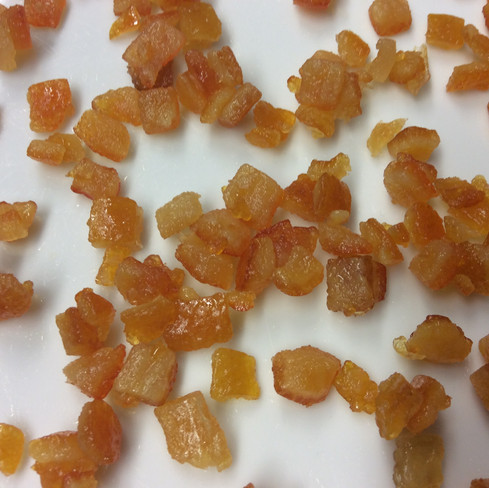
Another birthday, another batch of Florentines. I've been obsessing about the combination of fennel and orange for a while, and as candied peel is fairly standard in Florentine recipes it seemed like a good opportunity to indulge the idea. I had a bag of dates in the cupboard, and as orange, fennel and date go well together, I used them too.

Although the Florentines I had made over the previous few weeks had been very tasty, I hadn't been completely satisfied with the texture. I decided to make a few other adjustments to see if I could make these Florentines indisputably crunchy, crispy and properly snappable.
Based on previous attempts - and common sense - I knew I would need to get the biscuits as thin as possible. As water is the nemesis of crunchy, crispy textures, I would also need to try to remove as much moisture as possible from the ingredients.
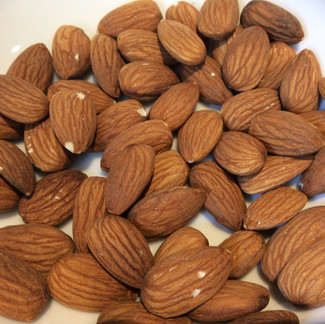
With this in mind, I began by blanching the almonds in salted, boiling water.
In my defence, I wanted to use chopped almonds to get a nubblier texture. The almonds I had were whole, so I needed to blanch them to remove the skins. Afterwards, I spread them out to dry on kitchen roll. I also attempted to air-dry the sticky surface of the candied citrus peel.
To further eliminate water, and also enhance the flavour of the almonds, I toasted them until golden. I realised I had not prepared enough almonds to make as many biscuits as I needed, but I did not want to go through the blanching/drying process again, so I toasted flaked almonds along with the fennel seeds.
For an experiment, I decided to substitute the usual flour for ground almonds, which worked well to coat and separate the pieces of candied peel. I will definitely use ground almonds rather than cornflour the next time I want to make gluten-free Florentines. I stirred in chopped dates, the toasted almonds and fennel seeds, and a big pinch of Maldon seasalt.
Most recipes for Florentines melt the butter with the sugar to make the caramel, but I've never been able to do this and get the sugar to melt completely before burning the butter. To get a really crunchy texture, I wanted to heat the sugar to around the hard-ball or soft-crack stage, bearing in mind it would get another blast of heat in the oven. I therefore melted the sugar, testing it in ice water until it was at the stage I wanted, then stirred in the butter and poured the resulting caramel over the fruit and nut mixture.
I have been cooking Florentines in the bottom of muffin cases, which makes them perfectly round. However it also stops the mixture spreading to its full extent, so they tend to be fairly chewy. For these Florentines, I allowed them to cook free-form, and they actually worked well. The caramel held everything together and the biscuits were thin and lacy, the most like shop-bought Florentines I have made. The flavour combination of fennel and orange worked really well. Painted with tempered chocolate, they looked really quite elegant.





Comments